Choosing a heat pump or gas boiler affects more than the next winter bill. It also influences the work your home needs, how you use heating and hot water, and what future improvements may be practical.
A heat pump can be a good choice where the property and heating system are suitable. A modern gas boiler may offer a simpler replacement in a home already using gas. The right decision starts with your home, budget and household needs, followed by a comparison of complete installation and running costs.
This guide compares an air-to-water heat pump, which supplies radiators or underfloor heating and usually a hot-water cylinder, with a mains gas boiler.
How the two systems work
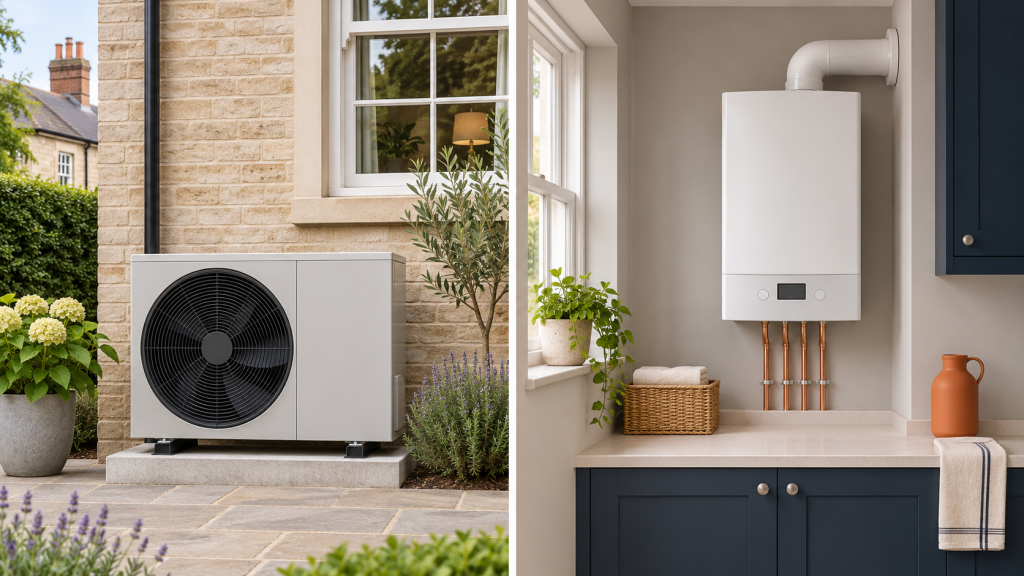
A gas boiler burns fuel to heat water for your central heating and hot-water supply. Modern condensing boilers recover some heat that older designs would lose through the flue. A combi boiler supplies hot water on demand, while system and regular boilers use a separate cylinder. [1]
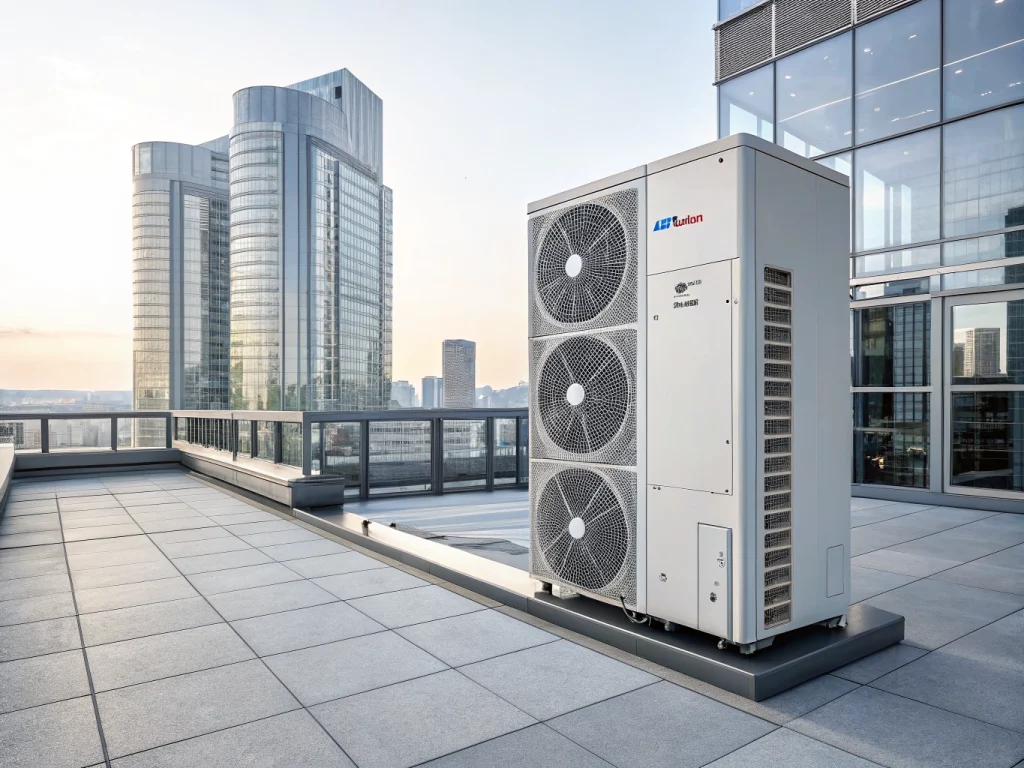
An air-to-water heat pump uses electricity to transfer heat from outdoor air into water circulating through your heating system. Its performance varies with the weather and the temperatures it needs to produce. Annual performance is therefore more useful for comparing running costs than a single laboratory efficiency figure. [2]
Heat pump or gas boiler: a quick comparison
On smaller screens, swipe across the table to compare both options.
| Consideration | Air-to-water heat pump | Gas boiler |
|---|---|---|
| Energy supply | Electricity and heat from outdoor air | Mains gas, with electricity for controls and pumps |
| Space | Outdoor unit and usually a hot-water cylinder | Indoor boiler and flue; cylinder depends on boiler type |
| Existing system | Radiators, pipework and controls need assessment | Compatibility and condition still need checking |
| Running costs | Depend on tariffs and seasonal performance | Depend on gas price and seasonal efficiency |
Sources for comparison: [1], [2], [3], [4].
Start with the building and its heat loss
A useful heating survey looks at each room, how the building retains heat and the temperatures needed to keep it comfortable. Floor area alone cannot tell you which system to buy. Ask for a room-by-room assessment and an explanation of how it informs the proposed equipment and radiator sizes. [4]
Insulation improvements can reduce the amount of heat either system needs to supply. An older home is not automatically unsuitable for a heat pump, and a newer home should still be assessed. If you plan to insulate or extend the property, tell the installer before the system is designed. [3], [10]
Check radiators before assuming they need replacing
Heat pumps generally perform better when they can heat the home using lower water temperatures. Existing radiators may be suitable, but some rooms may need higher-output emitters. Underfloor heating is another option where the building work makes it practical. [3]
Ask the installer to identify which radiators, if any, need changing and why. This makes it easier to compare quotations and avoids treating a complete radiator replacement as an automatic requirement.
Allow for outdoor space and hot water
An air-source heat pump needs a suitable outdoor position, with space for airflow, maintenance and pipe routes. Its location should also be assessed for sound and any applicable planning requirements. [4]
Inside, most air-to-water systems need a compatible hot-water cylinder. If you currently have a combi boiler, finding space for that cylinder can be an important part of the decision. The size should reflect the household’s bathing and showering needs, including times when several people need hot water. [5]
A combi gas boiler avoids a separate cylinder, but it is not automatically the best option for a larger household. Water pressure, flow and simultaneous demand matter. A gas system boiler with stored hot water may suit some homes better. [1]
Think about how you use the heating
A heat pump is usually designed to provide steady warmth over longer periods at lower water temperatures. Controls and schedules should be set up for the system and your routine. Ask for a demonstration at handover rather than simply copying your old boiler settings. [9]
For either option, explain which rooms you use, when the home is occupied and whether you work from home. Good design should make the heating comfortable to live with as well as practical to install.
Compare installation costs and running costs separately
Compare the total installed price, including any radiator changes, cylinder, controls, electrical work and making good. A straightforward boiler replacement may involve less work than a heat-pump conversion, but a site-specific quotation is the useful comparison. Ask what is excluded and which costs could change after a survey. [4]
Higher efficiency does not automatically mean lower energy bills. Electricity and gas have different unit prices, and heat-pump performance varies over the year. A heat pump may cost less to run than the system it replaces, but savings against a modern gas boiler are not guaranteed. [2]
Request an annual estimate using your household’s heating and hot-water demand, actual tariffs and realistic seasonal performance. The estimate should explain its assumptions and account for relevant standing charges, auxiliary electricity and servicing. A headline saving without those details is difficult to assess.
Check whether financial support applies
For eligible properties in England and Wales, the Boiler Upgrade Scheme currently offers £7,500 towards an air-to-water heat pump. Other grant amounts can apply in specific circumstances. Eligibility depends on the property, the installation and the scheme rules; an MCS-certified installer handles the application. Scotland and Northern Ireland have different support arrangements. [6], [7]
Check the official guidance before committing to work and ask for any grant deduction to be clearly identified in the quotation. The information above was checked on 4 November 2026.
Heat pump or gas boiler: which suits your home?
Consider a heat pump if you want to move away from gas heating, have a workable location for the equipment and can plan the installation around any necessary upgrades. A renovation can be a useful opportunity to coordinate that work.
Consider a gas boiler replacement if your immediate priority is restoring heating with manageable disruption and the existing installation supports a straightforward replacement. Still ask whether controls or radiator improvements would make the whole system work better.
You do not need to replace a working system solely to make this decision now. A survey can help you plan the next replacement and understand which improvements are worth making first.
Discuss your home with SWAT Engineering
SWAT Engineering provides heating design and installation for residential projects across Bournemouth, Greater London and the South Coast. We can discuss your property, existing system and plans to help you understand the next steps. [8]
Explore our heating design and installation service or contact SWAT Engineering to discuss your project. Photos of your existing heating equipment and details of any planned renovation will help us understand your enquiry.